The Renaissance of Venezuelan Arabica: Why Roasters are Looking South
Executive Summary
The global coffee landscape is shifting. As roasters seek alternatives to traditional origins, Venezuela is re-emerging as a powerhouse of quality. With its unique Andean microclimates and a renewed focus on sustainable export logistics, Venezuelan green Arabica offers a complex, fruity, and balanced profile that meets the rigorous standards of the European and Eurasian specialty markets. This article explores why this “hidden treasure” is becoming a staple for international roasters focused on quality and traceability.
The Legend Returns to the Cupping Table
If you’ve been in the coffee game long enough, you know that the industry thrives on discovery. We are always chasing that next profile—the one that stops a roaster in their tracks during a morning cupping session. For a while, Venezuela was a whisper in the history books of coffee, known for its past glory but rarely seen in the ports of Europe or Asia.
But things are changing, and they’re changing fast. At Evergreen Export, we’re seeing a real, palpable excitement. Roasters from Spain to Belarus are looking “South” again. Why? Because the beans coming out of the Venezuelan Andes right now aren’t just good; they’re soulful. They carry a heritage that was never lost, only waiting for the right moment to be shared with the world again.
Why Venezuela? It’s All About the Terroir
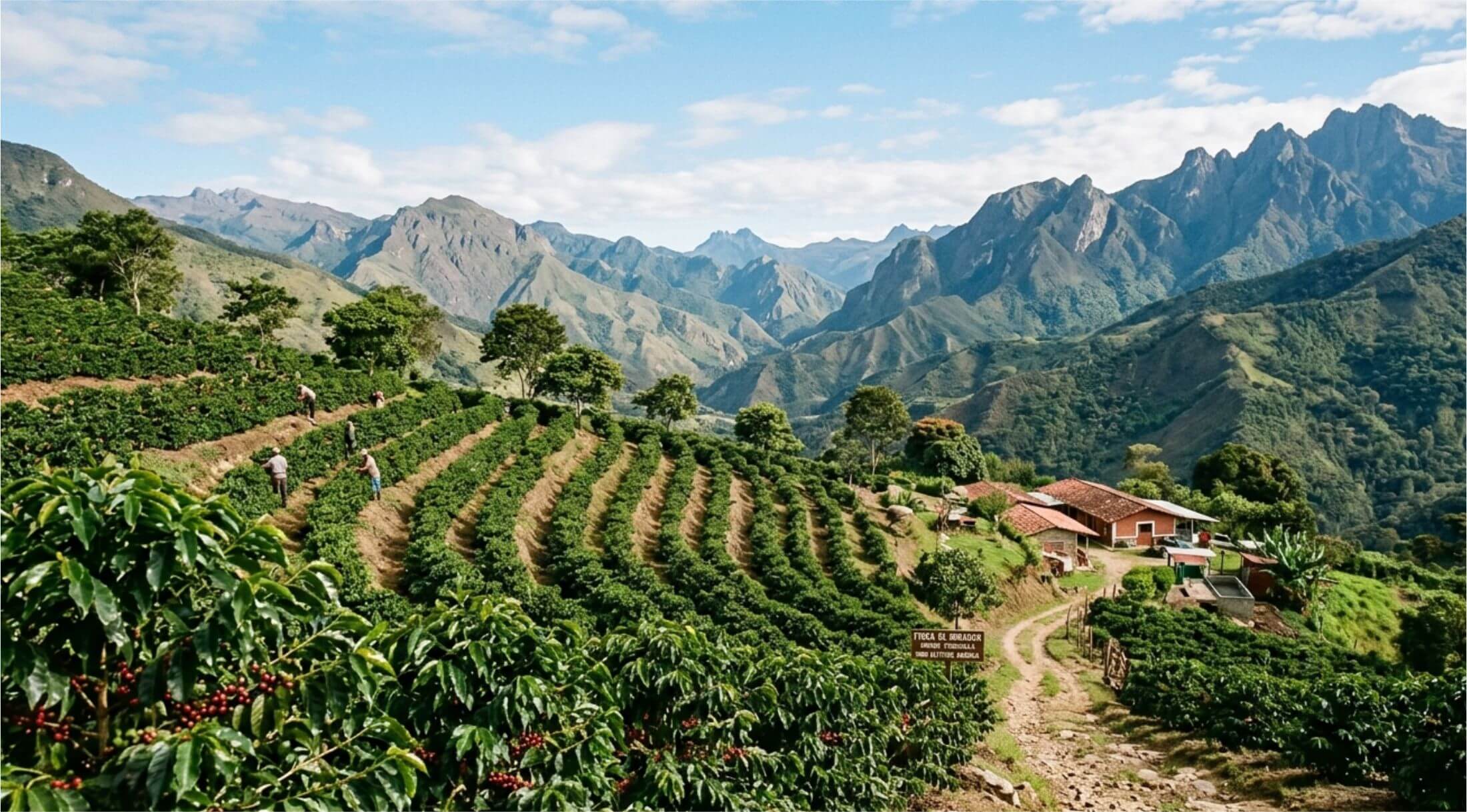
When we talk about coffee, we’re really talking about geography. You can’t fake altitude, and you certainly can’t replicate the fertile Andean soils of the Andes.
In regions like Mérida and Trujillo, coffee isn’t just a crop; it’s part of the landscape’s DNA. These beans grow at high altitudes, where the cool mountain air slows down the maturation of the cherry. This patience from nature results in a denser bean, packed with the sugars and acids that roasters crave. When you crack open a bag of our green Arabica, you’re not just looking at a commodity—you’re looking at the result of a very specific, very privileged microclimate.
The Regions Defining the Modern Profile
To understand the Renaissance, you have to look at the map. Each region we source from brings a different “personality” to the blend:
- Mérida: The high-altitude champion. Expect bright acidity and complex profiles that dance on the palate.
- Portuguesa: A land of diverse microclimates. This is where we find that distinct sweetness and enveloping aroma that fills a room.
- Trujillo: Fertile and robust. Trujillo beans often provide that smooth body and comforting nutty notes that provide a perfect base for specialty blends.
- Lara: Balance is the name of the game here. Lara’s unique geography produces coffee with a pleasant aftertaste that lingers long after the last sip.
The Shift Toward Sourcing with Purpose
Modern roasters aren’t just buying flavor; they’re buying a story and a standard. In the “evergreen” philosophy, sustainability isn’t a buzzword—it’s the only way to work. By partnering with local farmers who respect the land, we ensure that the coffee isn’t just high-quality today, but for decades to come.
There’s something deeply human about the way these beans are handled. We’re talking about careful harvesting—selective hand-picking where only the ripest cherries make the cut. In a world of mechanical, soulless production, this manual touch is what separates a “commercial” cup from a “specialty” experience. It’s a labor of love, and you can honestly taste that dedication in the final brew.
Beyond the Bean: A Full Industrial Scope
One thing we’ve learned at Evergreen is that a great bean can be ruined by bad logistics. That’s why we don’t just “move” coffee. We manage a full industrial ecosystem. Whether a client needs the raw, green Arabica to roast themselves or they require a partner to handle the roasting, grinding, and packaging, we’ve built a bridge that handles the heavy lifting.
Exporting to demanding markets like Italy or Russia requires more than just a good product; it requires a commitment to international standards. From the moment the beans are selected to the final distribution, every step is about preserving that “Treasure from Venezuela” until it reaches its destination.
Navigating the Market: Natural vs. Traditional
We’re noticing a trend where roasters are leaning into our Natural Processed coffee. By allowing the bean to dry inside the cherry, it absorbs those natural sugars, resulting in a cup that is remarkably fruity and sweet. It’s a bit more of a “wild” profile compared to traditional processes, and it’s exactly what the specialty market in places like Italy and Spain is hungry for right now.
Frequently Asked Questions (FAQ)
It’s the balance. While some origins are known for being purely acidic or purely nutty, Venezuelan coffee—especially from regions like Lara and Portuguesa—tends to offer a very harmonious, "all-rounder" profile that works beautifully in both espresso and filter roasts.
We have an experienced team dedicated to navigating the complexities of international trade. We handle everything from the rigorous selection and manufacturing to the sales, transportation, and final export, ensuring compliance with every shipment to the EU and beyond.
We are a full-service partner. We process and commercialize green, roasted, and ground coffee. Our facilities handle the selection, roasting, grinding, and professional packaging required for global distribution.
Final Thoughts: Joining the Journey
Coffee is a journey of the senses, but for those of us on the business side, it’s also a journey of partnership. The renaissance of Venezuelan coffee isn’t just a win for our farmers; it’s an opportunity for roasters worldwide to offer something truly special—something with history, quality, and a bright future.
If you’re looking for a bridge to the finest agricultural products of our land, we’re here. Let’s bring the best of the Andes to your market. It’s time the world tasted what they’ve been missing.
Evergreen Export | Your Bridge to Venezuelan Excellence
Contact us today to explore our current harvest and technical specifications.